Rediscover Hope with
GREATER HEIGHTS HOLISTIC PSYCHIATRY
schedule booking
Book your free discovery call today.!!
Our TMS Free Discovery Call is a no-obligation opportunity to learn whether Transcranial Magnetic Stimulation may be right for you or your loved one. During this brief call, our knowledgeable care team will review your symptoms, treatment history, and insurance coverage, and answer any questions you may have about the TMS process. We will explain how TMS works, what to expect during treatment, and help determine your eligibility for care. This call is designed to provide clarity, guidance, and next steps—at no cost—so you can make an informed decision about your mental health treatment.
- Service Length: 30 Minutes
- Location:On Phone
- FREEFree
insurance accepted

features
Know more about TMS
TMS BENEFITS
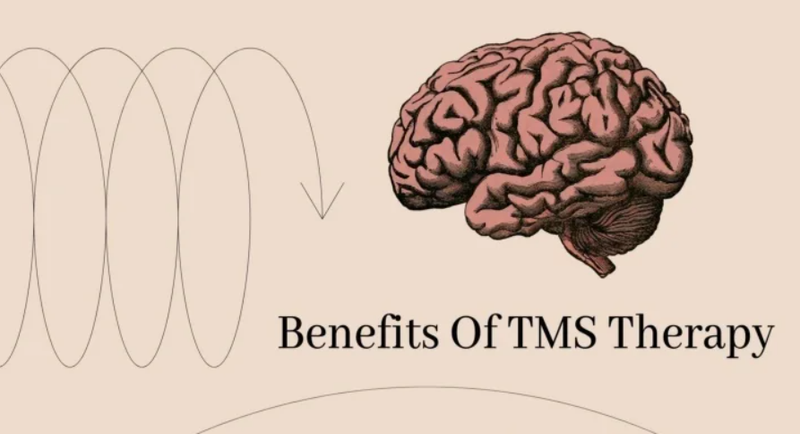
Transcranial Magnetic Stimulation (TMS) is a well-established and effective treatment for individuals with treatment-resistant depression (TRD) who have not experienced sufficient improvement with antidepressant medications. It is a non-invasive, drug-free therapy that does not require anesthesia or surgery and does not interact with current medications, making it a safe option for many patients. TMS works by delivering targeted magnetic pulses to specific brain regions involved in mood regulation, particularly the left dorsolateral prefrontal cortex, helping to restore healthy neural activity associated with depression. The treatment is generally well tolerated, with minimal and temporary side effects such as mild scalp discomfort or headaches, most often occurring during early sessions. Unlike many antidepressant medications, TMS does not cause weight gain, sexual dysfunction, sedation, or cognitive impairment, and it preserves memory and overall cognitive function. Patients can drive, work, and resume normal daily activities immediately after each session. TMS is provided on an outpatient basis, with sessions lasting approximately 20–40 minutes, typically administered five days a week for four to six weeks. Many patients experience significant symptom reduction or remission, and studies show that benefits can be sustained after treatment completion. Maintenance or booster sessions may be used if symptoms recur. Backed by extensive clinical research and FDA approval, TMS offers a safe and effective option for adults and, in select cases, adolescents with depression that has not responded to traditional treatments.

Complete TMS Duration
A full course of Transcranial Magnetic Stimulation (TMS) treatment typically lasts between 4 and 6 weeks, with sessions administered five days per week, usually from Monday through Friday. Each treatment session generally takes about 20 to 40 minutes, depending on the specific stimulation protocol and individual clinical needs. Over the course of treatment, patients usually complete approximately 20 to 30 sessions as part of the standard acute phase. In some cases, based on symptom severity, response to treatment, or clinical judgment, an extended course lasting up to 7 or 8 weeks may be recommended to achieve optimal results. After completing the initial treatment phase, some patients may benefit from maintenance or booster sessions to help sustain symptom improvement and reduce the likelihood of relapse. These follow-up sessions may be scheduled weekly, monthly, or at other intervals as clinically indicated. Maintenance treatment is tailored to the individual and depends on how well symptoms are controlled over time. Overall, the structured and time-limited nature of TMS makes it a convenient outpatient option for many patients, while allowing flexibility to adjust treatment duration and follow-up care based on therapeutic response and long-term needs
Process of TMS Coverage Through the Doctor’s Office
The process of obtaining Transcranial Magnetic Stimulation (TMS) coverage through a doctor’s office begins with an initial psychiatric evaluation. During this assessment, the provider diagnoses Major Depressive Disorder (MDD) and confirms that the patient meets criteria for treatment-resistant depression (TRD), typically defined as inadequate response to two or more antidepressant trials. The clinic then completes a comprehensive clinical documentation review, collecting required records such as the psychiatric diagnosis, detailed medication history including names, dosages, duration, and reasons for failure or intolerance, standardized depression rating scales like the PHQ-9 or MADRS, and documentation of prior treatments such as psychotherapy or previous TMS. Next, the office conducts insurance verification of benefits (VOB) to confirm coverage for TMS, medical necessity criteria, prior authorization requirements, session limits (commonly 20–36 sessions), and the patient’s financial responsibility, including deductibles and copays. A prior authorization request is then submitted with all supporting documentation. The insurance carrier reviews the request and typically issues a decision within 3 to 15 business days. Once approved, the clinic schedules the TMS mapping session followed by daily treatments, usually Monday through Friday. Throughout treatment, patient progress is closely monitored, and additional authorization may be requested if an extended course or maintenance sessions are clinically indicated.
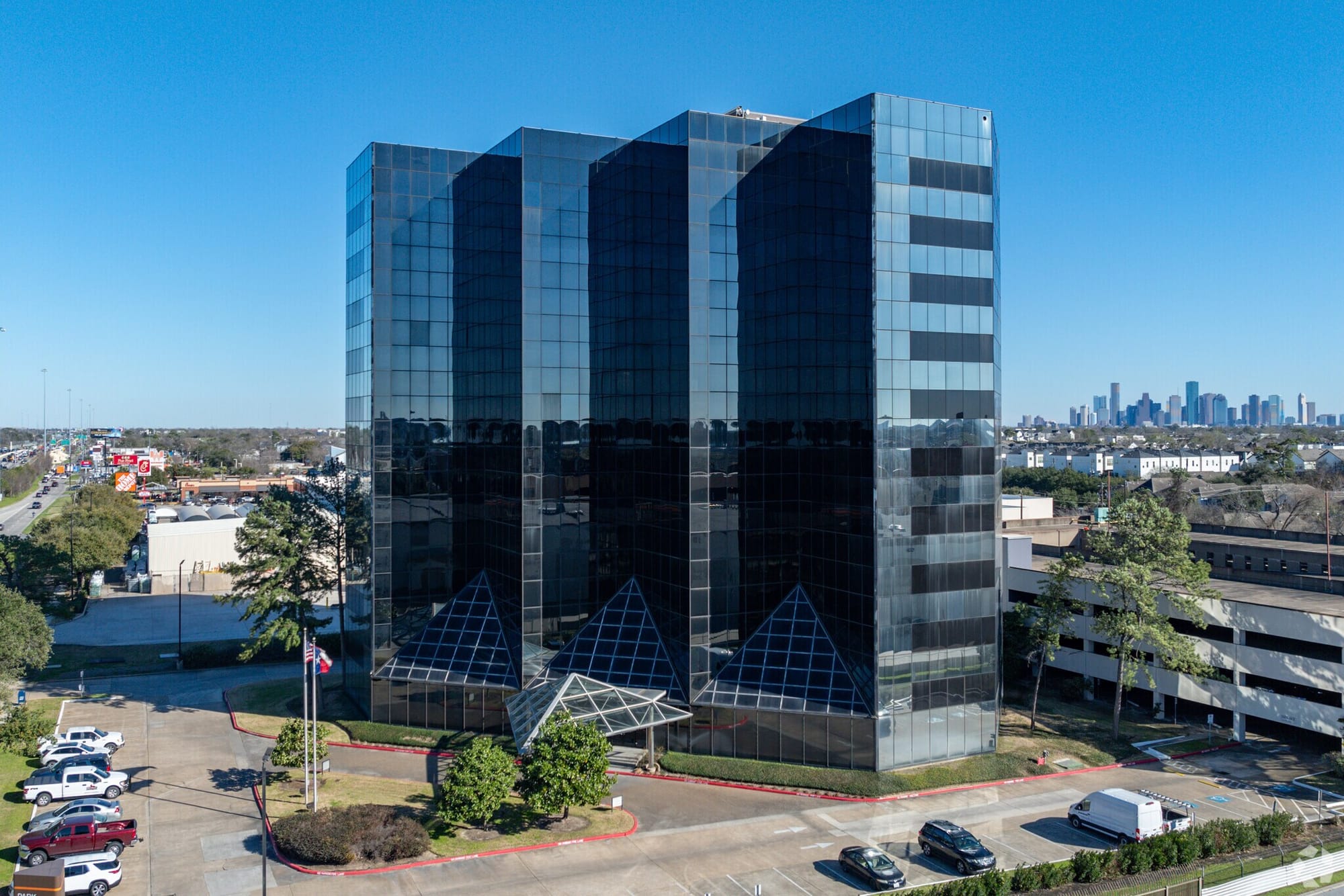
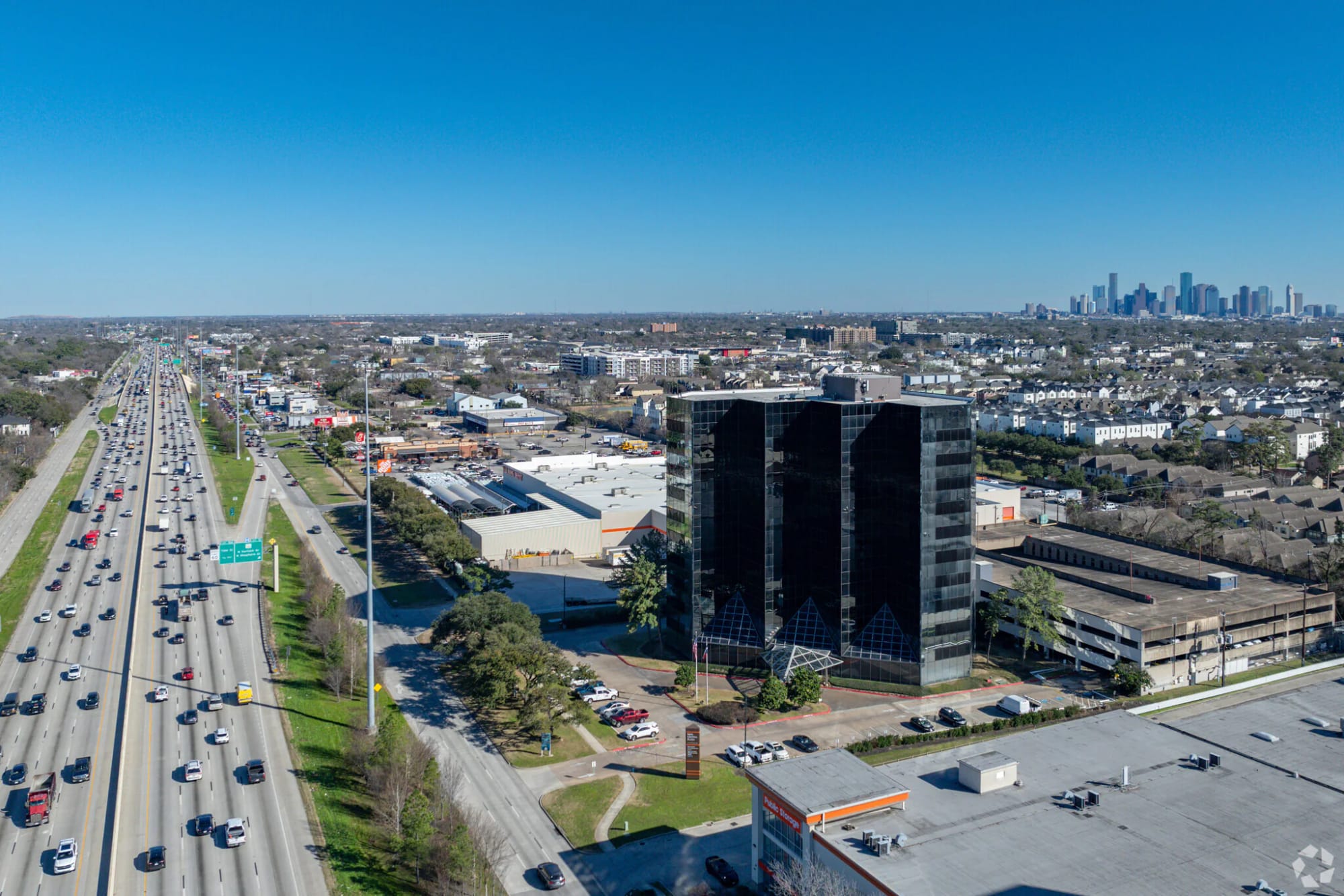
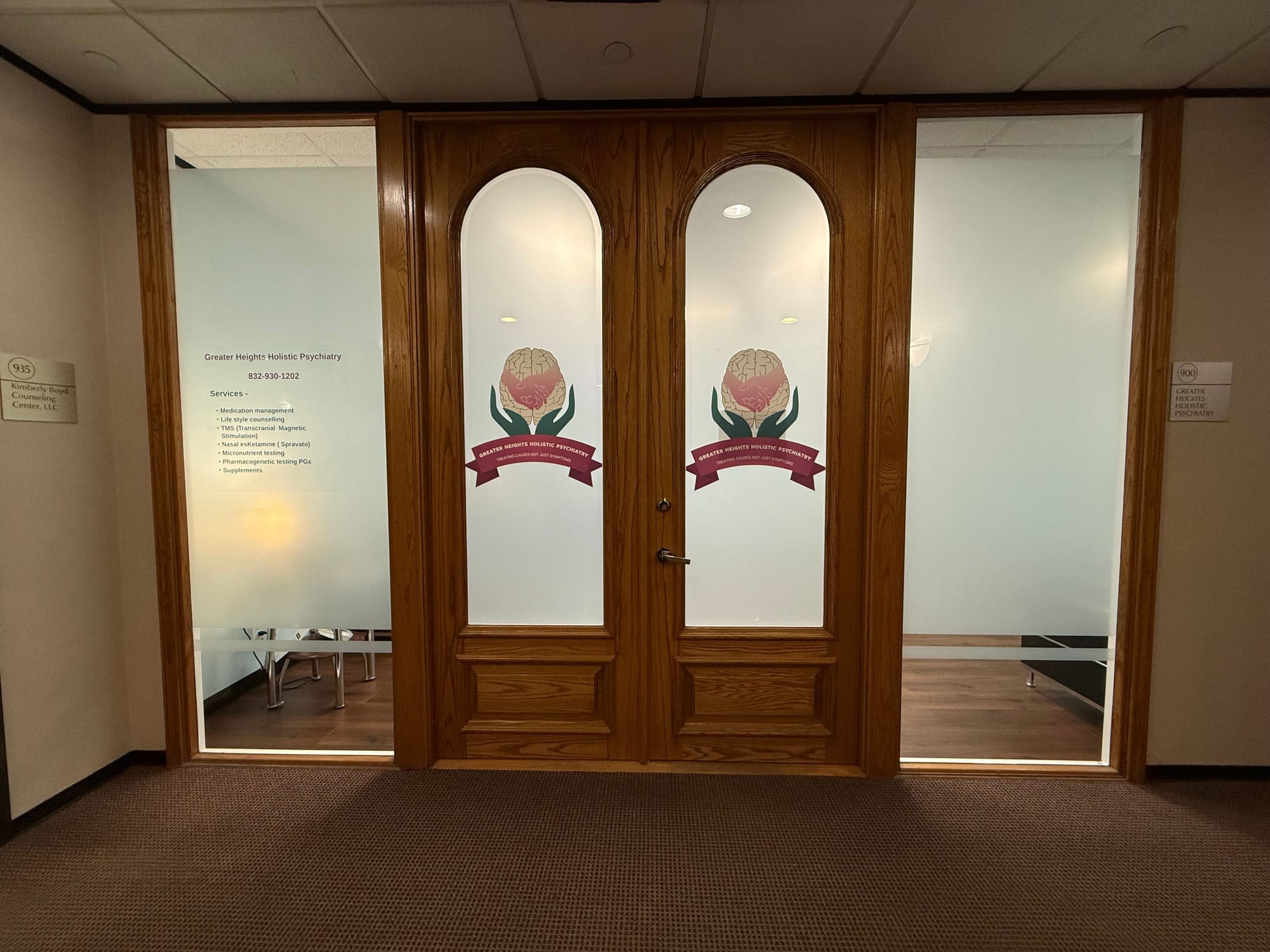
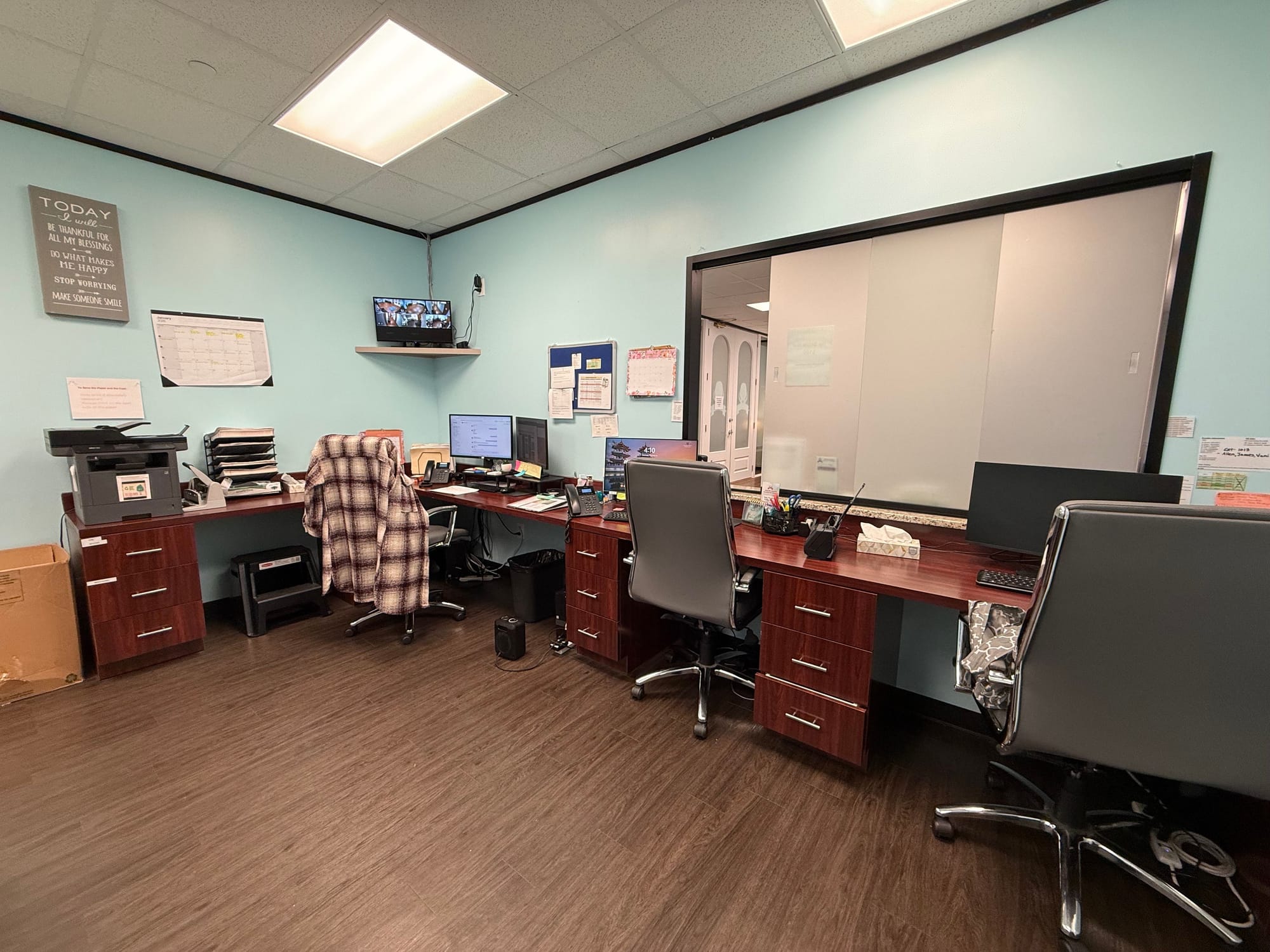
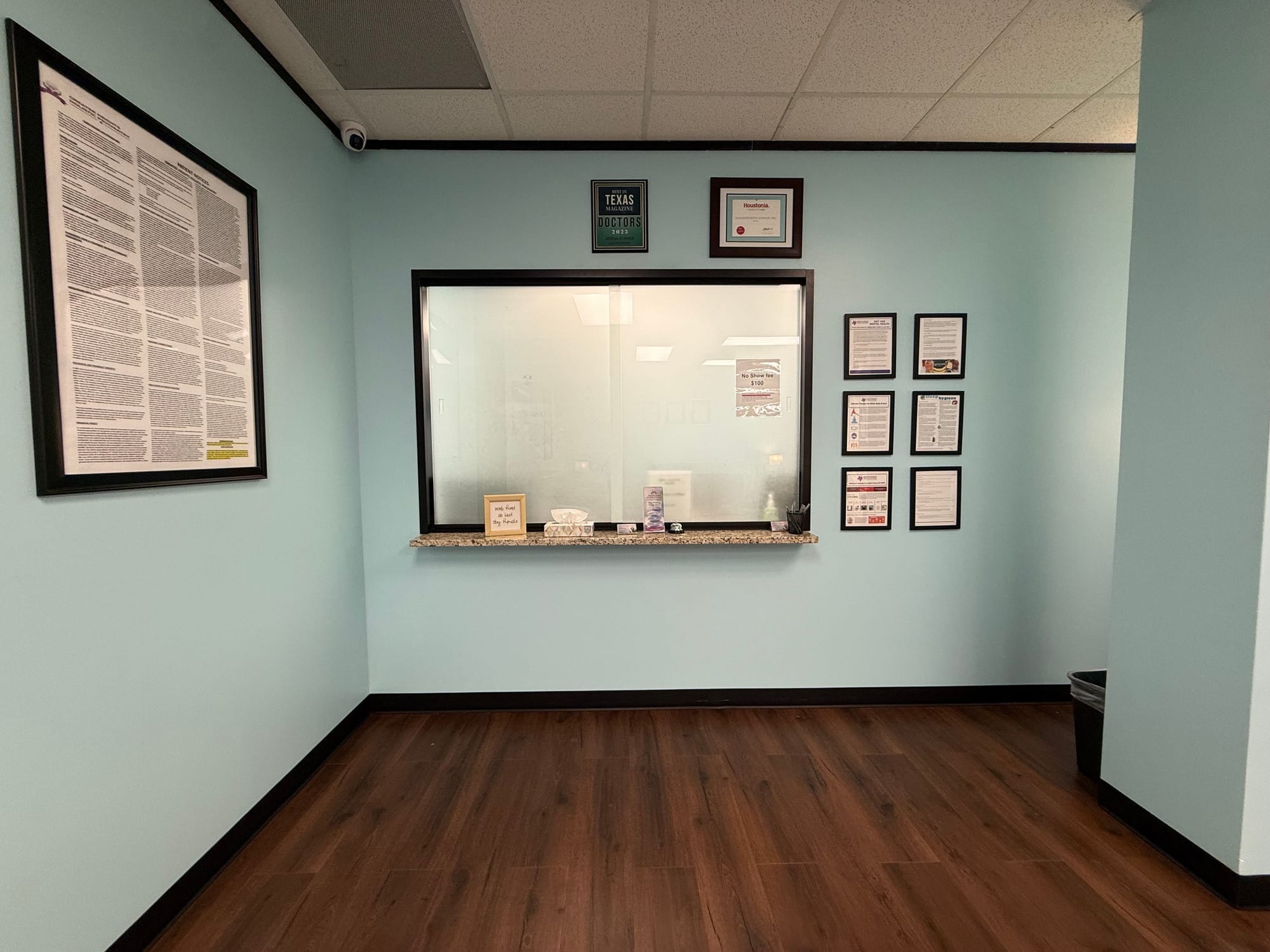
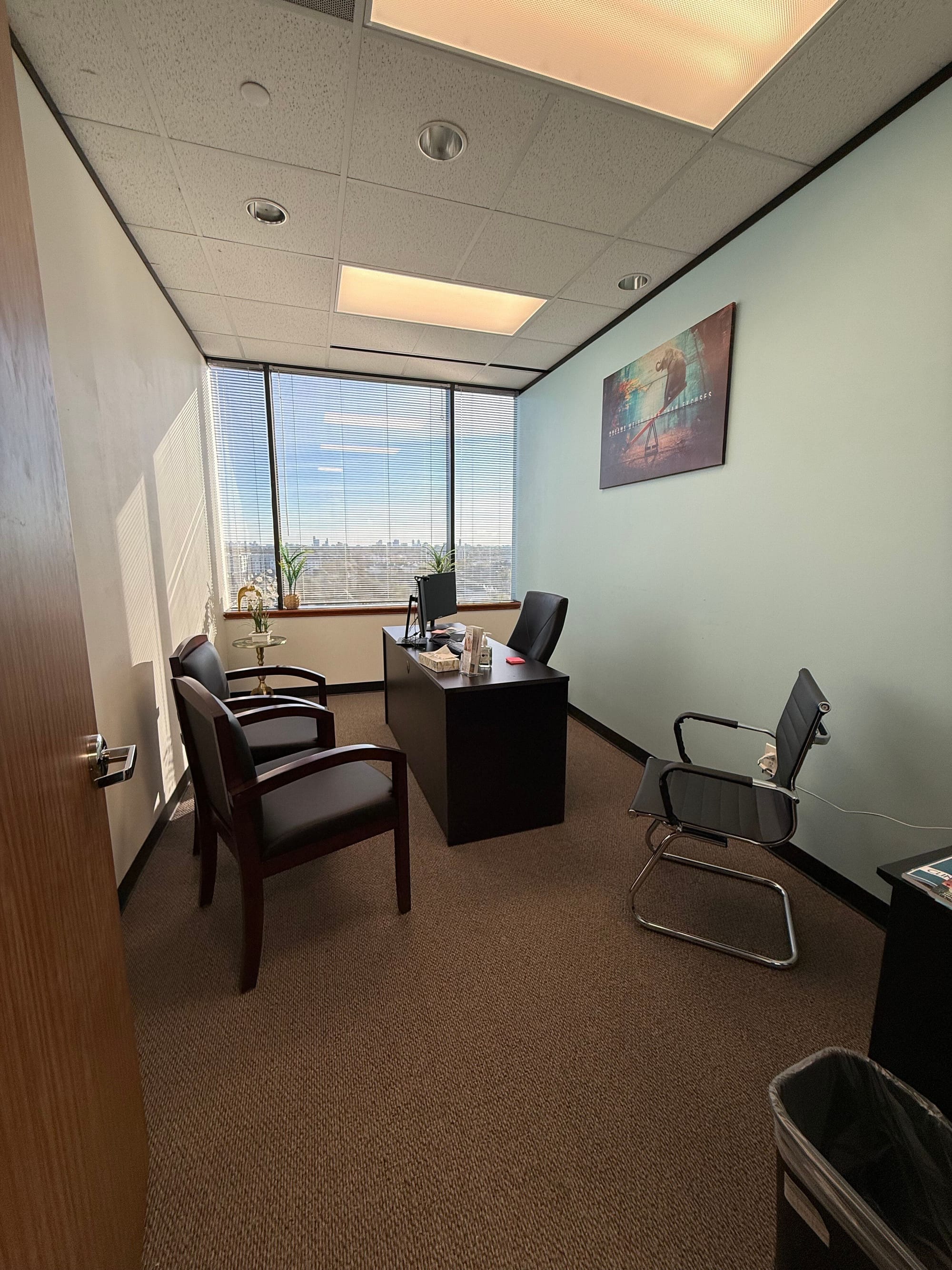
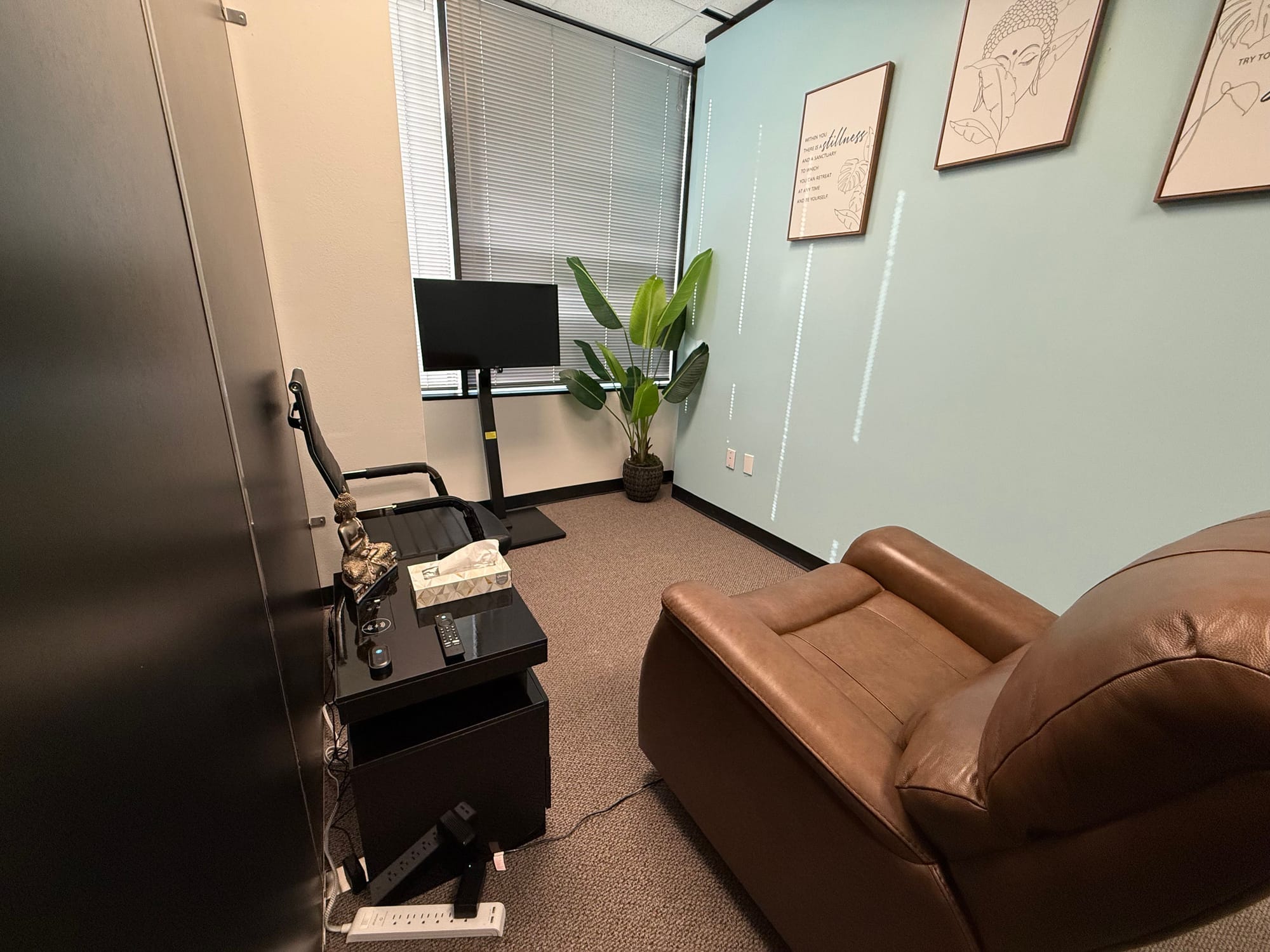
heights office
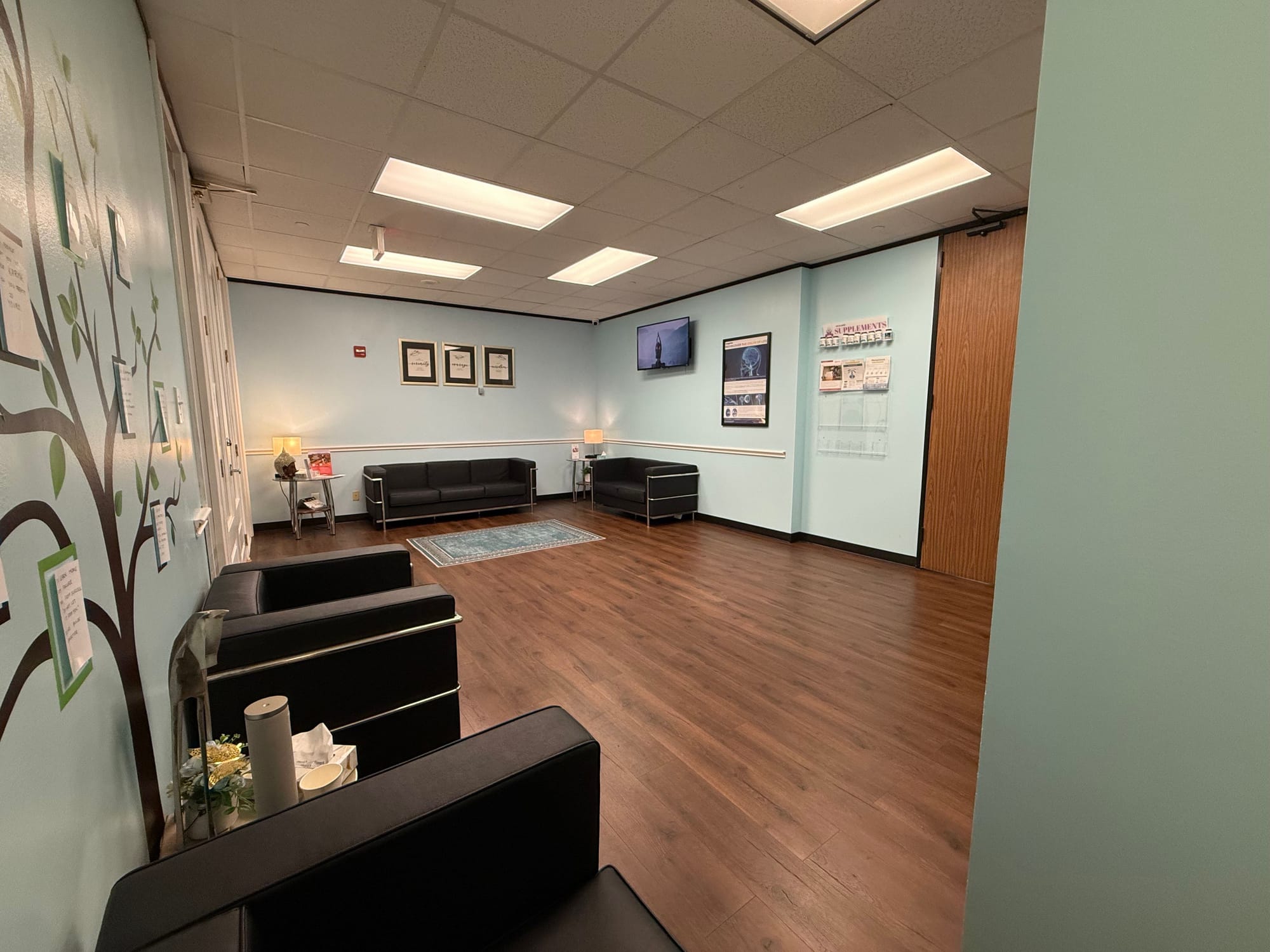
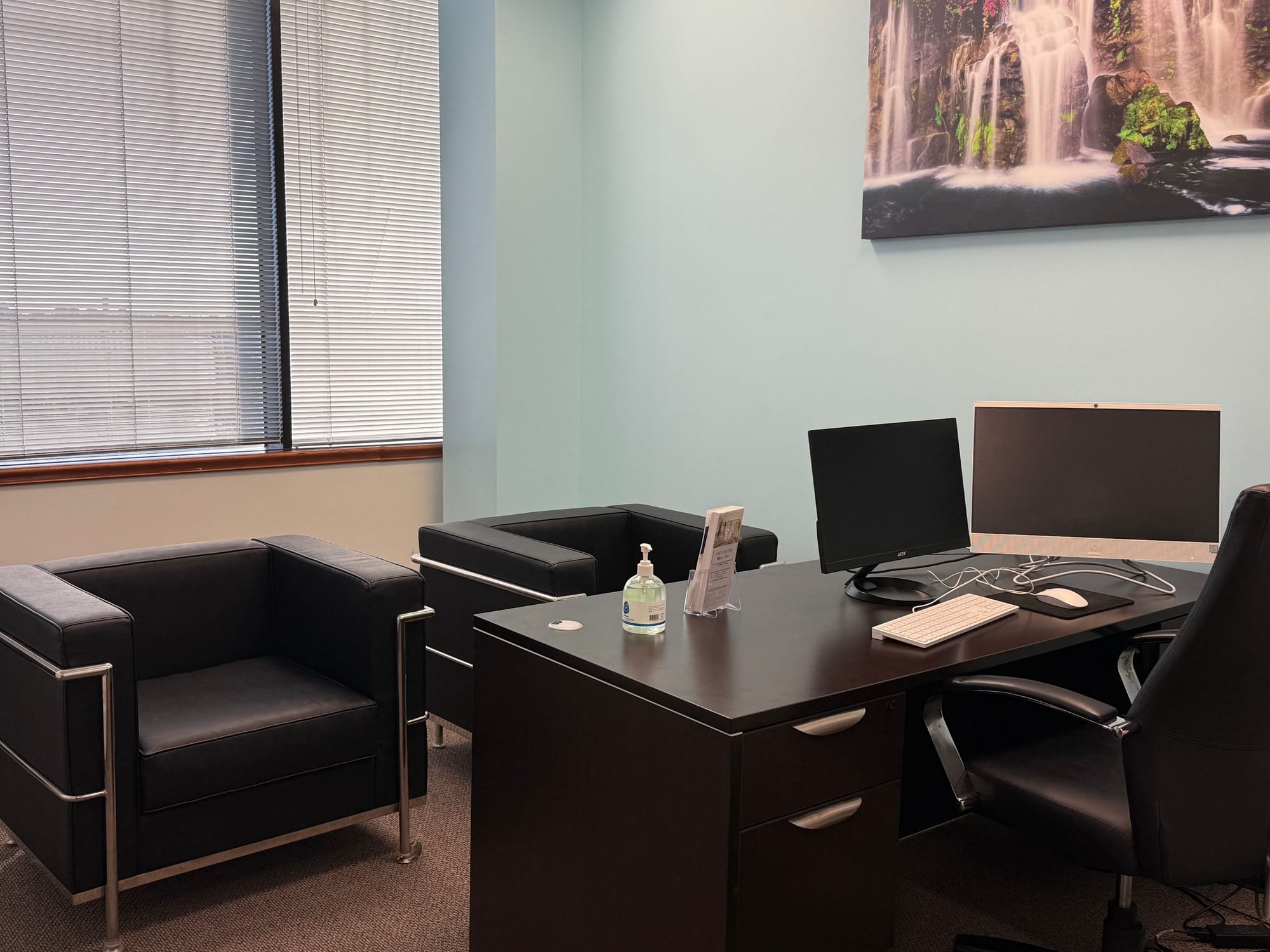
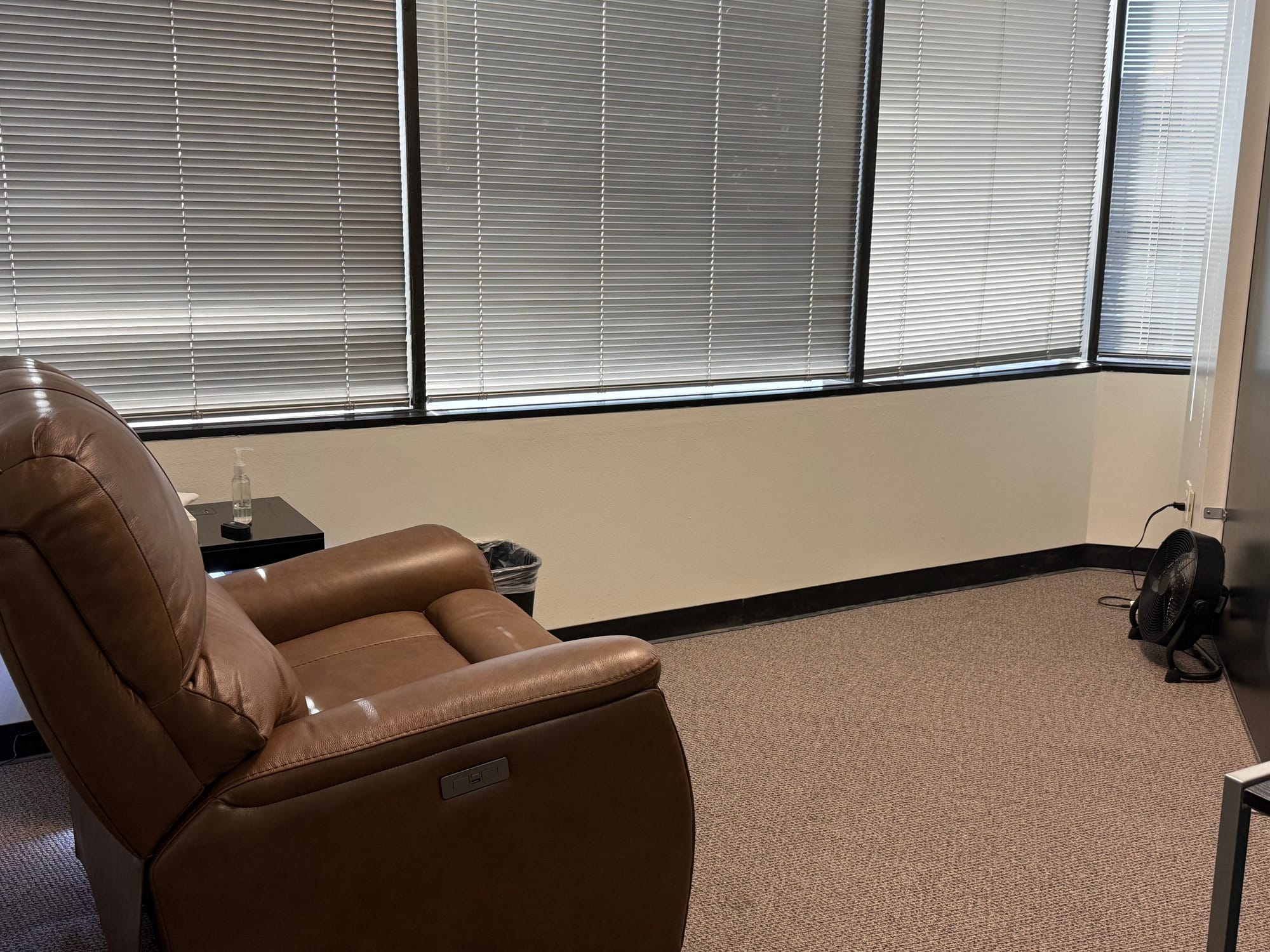
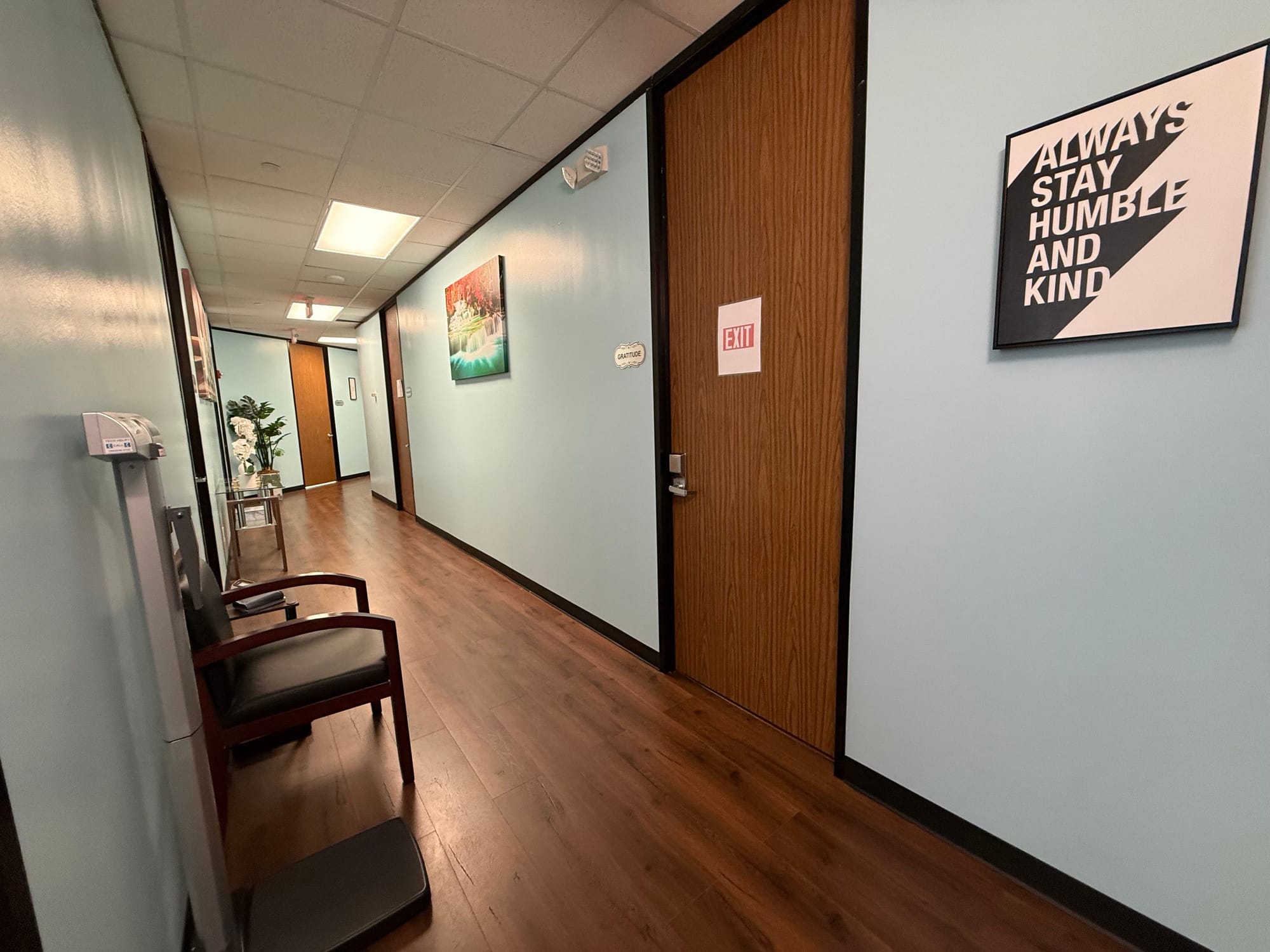
f.a.q
What conditions does TMS treat?
- TMS is primarily used to treat Major Depressive Disorder (MDD), especially treatment-resistant depression (TRD). It may also be used for other conditions based on clinical indication.
Who is a good candidate for TMS?
- Adults who have not responded adequately to at least two antidepressant medications and can safely tolerate the procedure may be candidates.
How effective is TMS?
- Studies show that approximately 85-90 % of patients respond to TMS, with 70–80% achieving remission.
Is TMS safe?
- Yes. TMS has been extensively studied and is considered very safe with no side effects.
Is TMS covered by insurance?
- Most major insurance plans cover TMS for TRD when medical necessity criteria are met, usually with prior authorization.
When will I start noticing improvement?
- Some patients notice improvement within 2–3 weeks, while others improve gradually over the full course.
What is a TMS mapping session?
- Mapping is the initial session where the provider identifies the correct stimulation location and intensity.
Can I drive or work after TMS sessions?
- Yes. Patients can immediately return to normal daily activities after treatment.
contact
YOU CAN REACH US AT
- 1111 North Loop West ste 900, Houston, TX, USA
- +1-832-930-1202 - GREATER HEIGHTS HOLISTIC PSYCHIATRY
- info@psychiatryhoustontx.com
- 8am-5pm (Monday to Friday)